

In the digital age, your website is your storefront, and Google rankings determine how often your door swings open to new customers. Imagine being buried under a sea of competitors, invisible to your audience, while they navigate to the sites ranked above yours. Frustrating, isn’t it? But here’s the silver lining: climbing those search engine results doesn’t have to be a painstaking marathon. It’s about smart strategies, not endless struggles.
What if you could boost Google rankings swiftly with simple, actionable steps? These aren’t pie-in-the-sky ideas or vague suggestions. They’re precise, proven methods that cut through the noise, catapulting your website to a prime spot on Google’s coveted first page.
Now picture this: more visibility, skyrocketing traffic, and a steady flow of leads without splurging on ads. It’s not just a dream—it’s within your grasp. All it takes is a clear roadmap and the determination to act. Ready to step into the fast lane and leave your competition in the dust? Dive into these 10 easy ways that will transform your rankings faster than you thought possible.
Why Google Rankings Matter
In today’s digital-first world, Google rankings are the virtual real estate that determine whether your business thrives or fades into obscurity. With over 8.5 billion searches happening on Google daily, appearing at the top of search results is no longer optional—it’s essential. Studies reveal that the first five organic results account for more than 67% of all clicks. If your website isn’t visible in these prime positions, you’re losing out on valuable traffic, potential leads, and ultimately, revenue.
Building Trust and Credibility
When users see your website on the first page of Google, it immediately establishes trust and authority. People are naturally inclined to associate high-ranking websites with credibility and reliability. Whether you’re a blogger, an e-commerce store, or a local business, ranking higher signals to users that your content or services are worth their time.
Driving Targeted Traffic
Unlike paid ads, which often reach a broader but less engaged audience, organic search traffic brings visitors who are actively searching for what you offer. These are high-intent users more likely to convert into customers.
Competing in a Crowded Market
Every industry is saturated with competitors vying for attention. Ranking high in Google results can set you apart and create a competitive edge. Even small businesses can outshine industry giants by optimizing effectively.
In essence, Google rankings are more than just a vanity metric. They are a critical factor in determining your online success, directly influencing visibility, engagement, and business growth. By focusing on strategies to boost Google rankings, you can take control of your digital presence and stay ahead of the curve.
1. Optimize Your Website for Speed

Why Speed Matters
Website loading speed is a critical ranking factor. Slow websites lead to higher bounce rates, which negatively impact rankings. Google prioritizes fast-loading pages to enhance user experience.
How to Improve Website Speed
-
Use a Content Delivery Network (CDN):
Distribute your content across multiple servers for faster access.
-
Optimize Images:
Compress large images without compromising quality using tools like TinyPNG or ImageOptim.
-
Minimize HTTP Requests:
Combine files (like CSS and JavaScript) to reduce the number of requests.
-
Enable Browser Caching:
Cache static resources so returning visitors load pages faster.
-
Switch to a Faster Hosting Provider:
A reliable hosting service significantly improves loading times.
2. Create High-Quality, Relevant Content

Content is King
Quality content is the backbone of any SEO strategy. To boost Google rankings, create informative, engaging, and valuable content that aligns with user intent.
Tips for Creating Better Content
-
Target Long-Tail Keywords:
These are specific phrases with lower competition and higher conversion rates.
-
Use Data and Examples:
Support claims with statistics or case studies to establish authority.
-
Update Old Content:
Refresh outdated articles to maintain their relevance.
-
Structure Content for Readability:
Use short paragraphs, bullet points, and subheadings.
3. Leverage On-Page SEO
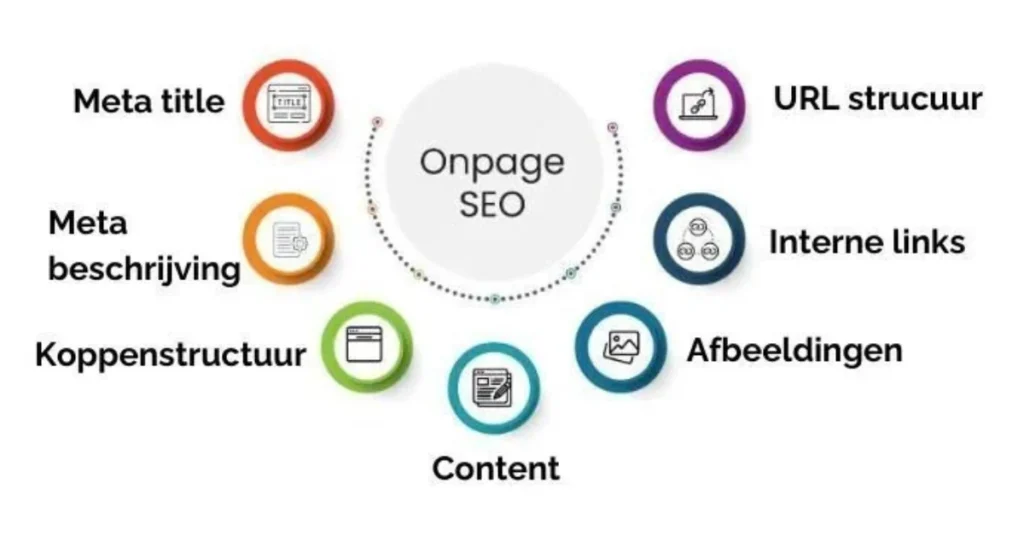
What is On-Page SEO?
On-page SEO involves optimizing individual web pages to rank higher and attract more traffic.
On-Page SEO Checklist
-
Title Tags:
Include target keywords and keep titles under 60 characters.
-
Meta Descriptions:
Write compelling meta descriptions with your primary keyword.
-
Header Tags (H1, H2, etc.):
Use headings to structure your content and include keywords naturally.
-
Internal Linking:
Link to other pages on your site to keep visitors engaged longer.
-
Alt Text for Images:
Add descriptive alt tags to images using keywords.
4. Build High-Quality Backlinks

The Power of Backlinks
Backlinks are links from external sites to your content. Google sees backlinks as votes of confidence in your website.
How to Earn Backlinks
-
Guest Posting:
Publish articles on reputable websites within your niche.
-
Create Link-Worthy Content:
Develop infographics, guides, or tools that others want to link to.
-
Reach Out to Influencers:
Ask industry experts to link to your resources.
-
Fix Broken Links:
Identify broken links on other sites and suggest your content as a replacement.
5. Optimize for Mobile

Why Mobile Optimization is Crucial
Over 60% of Google searches now come from mobile devices. Websites that aren’t mobile-friendly rank lower.
Steps to Optimize for Mobile
-
Responsive Design:
Ensure your website adjusts seamlessly to different screen sizes.
-
Simplify Navigation:
Make menus and buttons easy to click.
-
Enable Accelerated Mobile Pages (AMP):
AMP pages load faster on mobile devices.
6. Improve Your Click-Through Rate (CTR)

Why CTR Matters
CTR is the percentage of users who click on your website link after seeing it on Google. A higher CTR indicates relevance, encouraging Google to rank your page higher.
How to Increase CTR
-
Craft Engaging Titles:
Use numbers, questions, or power words to attract attention.
-
Optimize Meta Descriptions:
Provide a concise, engaging summary of the page.
-
Use Schema Markup:
Add structured data to create rich snippets (e.g., star ratings).
7. Enhance User Experience (UX)

Google Prioritizes UX
A website offering seamless navigation, fast loading, and engaging content keeps users on the page longer, signaling quality to Google.
UX Optimization Tips
-
Easy Navigation:
Organize your menu and links logically.
-
Readable Fonts and Colors:
Ensure text is legible and visually appealing.
-
Minimize Pop-Ups:
Intrusive pop-ups can annoy users and increase bounce rates.
8. Use Social Signals

The Role of Social Media
While not a direct ranking factor, social signals (likes, shares, comments) indirectly influence rankings by driving traffic and engagement.
How to Utilize Social Media
-
Share Content Regularly:
Promote blog posts and resources on platforms like Facebook and LinkedIn.
-
Engage with Followers:
Respond to comments and questions to build trust.
-
Add Social Sharing Buttons:
Make it easy for users to share your content.
9. Perform Regular SEO Audits

Why SEO Audits are Important
Regular audits help identify issues that might hinder your efforts to boost Google rankings.
Key Elements of an SEO Audit
-
Check for Broken Links:
Use tools like Ahrefs or Screaming Frog to identify broken links.
-
Analyze Keywords:
Assess which keywords drive traffic and identify opportunities for improvement.
-
Evaluate Backlinks:
Ensure your backlinks come from reputable sources.
-
Review Site Structure:
Confirm that your site hierarchy is logical and intuitive.
10. Target Local SEO

Importance of Local SEO
If your business serves specific locations, optimizing for local searches can drive more relevant traffic.
Local SEO Best Practices
-
Claim Your Google Business Profile:
Ensure your business information is accurate and up-to-date.
-
Encourage Reviews:
Positive reviews build trust and improve rankings.
-
Use Local Keywords:
Include location-based keywords in your content and meta tags.
-
Create Location Pages:
Develop dedicated pages for each location you serve.
You Might Be Interested In
- Top Mistakes in Blogger Outreach for Guest Posts
- Why Guest Posting Grows Wellness Blog Followers?
- How Guest Posting Transforms Health Content Strategy?
- 11 Tips to Index Backlinks Faster Than Ever On Google
- What Are the Top Rules for Successful Guest Posting?
Conclusion
Improving your Google rankings is achievable by implementing these ten strategies consistently. From optimizing website speed to building quality backlinks and focusing on user experience, each step contributes to higher visibility. While some tactics yield immediate results, others, like creating high-quality content and earning backlinks, require patience and persistence.
By integrating these strategies and monitoring your progress, you can effectively boost Google rankings and achieve long-term success in the digital landscape. Remember, SEO is an ongoing process that evolves with search engine algorithms, so staying updated is key.
FAQs
How long does it take to see improvements in Google rankings?
The timeline for seeing improvements in Google rankings varies based on several factors, including the competitiveness of your target keywords, the quality of your current website, and the SEO strategies you employ. For low-competition keywords or niches, noticeable changes can occur within a few weeks if you focus on quick wins like optimizing page speed, improving meta tags, and targeting long-tail keywords. On the other hand, highly competitive industries may require months of consistent effort, especially when competing against well-established websites with robust backlink profiles.
It’s important to understand that SEO is not a one-time task but an ongoing process. Factors like domain authority, technical SEO, and content quality compound over time. By maintaining a consistent approach—updating old content, earning backlinks, and adhering to best practices—you’ll gradually achieve a steady and lasting boost in rankings. Patience and persistence are essential, as quick fixes rarely produce sustainable results.
Are paid ads necessary to improve Google rankings?
While paid ads can help generate traffic quickly, they don’t directly influence your organic rankings. Google’s algorithms prioritize organic ranking factors like content relevance, keyword optimization, and user experience over ad spend. Paid ads, such as Google Ads, can complement your SEO strategy by driving immediate traffic and increasing brand visibility. However, these results stop the moment you discontinue your campaigns, whereas organic SEO efforts provide lasting value.
Investing in organic SEO alongside occasional paid campaigns is often the best approach. For example, running ads for new content or product launches can generate initial traffic and social shares, which indirectly contribute to better rankings by signaling relevance to Google. That said, relying solely on paid ads without addressing core SEO issues will not lead to long-term success.
What is the role of backlinks in improving rankings?
Backlinks are one of the most significant ranking factors, as they serve as endorsements from other websites, signaling to Google that your content is valuable and credible. High-quality backlinks from authoritative and relevant sources carry substantial weight in determining your position in search results. For example, a backlink from a reputable industry publication is far more valuable than numerous links from unknown or spammy websites.
Earning backlinks requires a proactive strategy. You can create link-worthy content, such as in-depth guides, infographics, or original research that others naturally want to cite. Outreach campaigns, where you collaborate with bloggers or influencers, can also help secure quality links. However, avoid black-hat practices like buying backlinks or participating in link farms, as Google penalizes these tactics. Building a solid backlink profile takes time, but the results are integral to boosting Google rankings sustainably.
How does mobile optimization influence rankings?
Mobile optimization is no longer optional, as the majority of Google searches now come from mobile devices. With Google’s mobile-first indexing, the mobile version of your website is considered the primary version for ranking purposes. If your site isn’t optimized for mobile users, you risk losing significant traffic and lowering your rankings, even if your desktop version is well-optimized.
Key elements of mobile optimization include responsive design, fast loading times, and user-friendly navigation. A responsive website adjusts seamlessly to various screen sizes, ensuring that users on smartphones and tablets have the same positive experience as those on desktops. Features like clickable buttons, simplified menus, and accelerated mobile pages (AMP) can further enhance usability. Mobile optimization not only boosts Google rankings but also increases user satisfaction and engagement, which are critical metrics for success.
Can social media activity help improve rankings?
While social media activity isn’t a direct ranking factor in Google’s algorithm, its indirect impact on rankings is undeniable. Content shared on social media platforms gains broader visibility, increasing the likelihood of earning backlinks, which are crucial for SEO. Additionally, an active social presence enhances brand awareness, leading to more branded searches on Google. These searches signal to Google that your website is popular and relevant, potentially improving your rankings.
Social media platforms are also powerful tools for promoting blog posts, videos, and other content, driving more traffic to your website. High engagement metrics, such as shares, comments, and likes, indicate that your content resonates with users, making it more likely to rank higher in search results. Incorporating social media into your overall strategy creates a feedback loop where visibility on social platforms drives SEO success, and strong SEO boosts website authority, making your content more shareable.